Transform Your Facility: The Definitive 5-Step Guide to Setting Up a High-Performance Spare Parts Storeroom
A chaotic spare parts storeroom isn't just a mess—it's a direct hit to your bottom line. Every minute a technician spends frantically searching for a part is a minute of expensive downtime, leading to lost productivity and inflated maintenance costs. Stockouts can grind your operations to a halt, turning critical assets into idle machines.
But what if you could transform that chaos into a high-performance asset? What if your storeroom practically ran itself, ensuring parts are always where they need to be, when they need to be there? This guide will walk you through the 5 essential steps to set up a spare parts storeroom that eliminates downtime and significantly boosts your operational efficiency.
1. Purge, Prep, and Plan: Start with a Clean Slate
You can't organize clutter. The first crucial step is to create a clean slate, beginning with the Purge and Prep phase. Go through every item in your existing storeroom. Ask critical questions: What's obsolete? What's broken? What do you have an excessive amount of? Be ruthless in getting rid of anything that doesn't serve a purpose or is simply taking up valuable space. Clean out shelves, bins, and work surfaces.
Once your space is clear, it's time to Plan your Layout. Think in logical zones. Group parts by machine, by type (e.g., hydraulics, electrical, motors), or by frequency of use. The parts you access most often should be the easiest to reach. This initial planning phase acts as your blueprint for maximum efficiency, guiding every subsequent decision.
2. Digitize and Catalog EVERYTHING: The Modern Way
Step two is where many traditional systems break down: cataloging. The old way involved tedious, error-prone manual data entry into cumbersome spreadsheets. It's slow, prone to human error, and quickly becomes outdated.
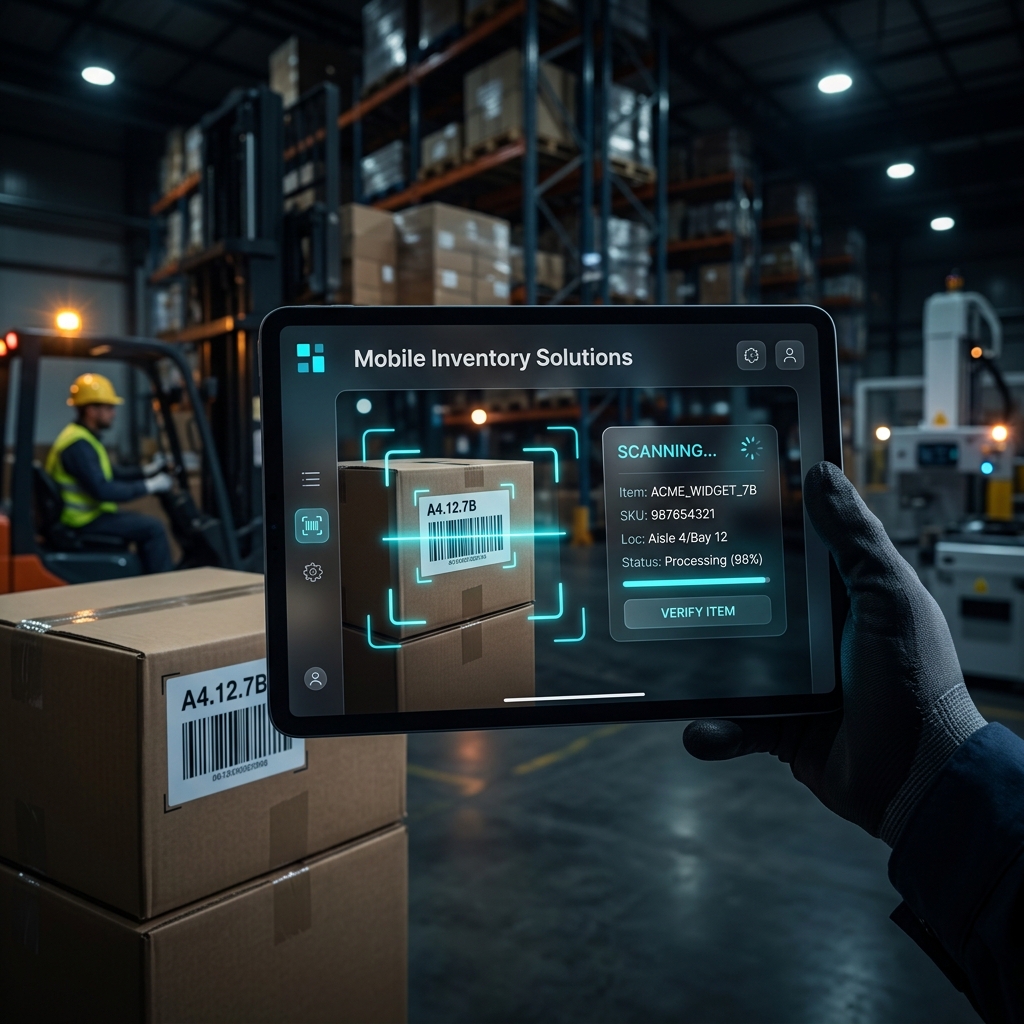
The modern, efficient way is to digitize from day one. Instead of typing, imagine simply scanning. With a system like Facility PartsTracker Pro, you can begin your Spare Parts Discovery & Cataloging directly from your smartphone or tablet.
But what if a part has no label or part number? This is where true innovation comes in. Our AI-Powered Part Intelligence allows you to simply take a picture of an unlabeled part. The app analyzes it, identifies the part, and automatically enhances the listing with specifications, descriptions, and even potential suppliers. What used to be a 10-minute research task can now be a 10-second snapshot, drastically speeding up your inventory creation.
3. Implement a Location Hierarchy: Precision for Every Part
Your parts are cataloged. Now, where do they reside? Step three is Locking Down Locations. Simply knowing a part is "on the shelf" isn't good enough for an efficient storeroom. You need precision.
This is why a robust system should be built around Location Hierarchy Labeling. Think of it like a GPS address for every single part. You create a simple, logical structure, for instance: Building > Storeroom > Aisle C > Shelf 4 > Bin 12.
Each level of this hierarchy receives its own scannable QR code. With Facility PartsTracker Pro, finding a part becomes as simple as the app telling you its exact location. And when you retrieve a part, you simply scan the bin. The system knows instantly. This is the foundation of a "no-mistakes" inventory system, eliminating wasted time searching.
4. Link Your Storeroom to Your Work: A Connected System
An organized storeroom is beneficial, but a connected storeroom is a game-changer. Step four is to Link Inventory to Work Orders.
Your storeroom doesn't operate in isolation; its primary purpose is to support your maintenance team. With Work Order Linked Inventory Tracking, when a technician is assigned a job, the system automatically reserves the parts they need. It directs them to the precise locations of these parts and deducts them from inventory as they're used.
This integration eliminates guesswork, prevents unnecessary part hoarding, and provides you with a crystal-clear, real-time picture of your true maintenance costs.
5. Automate Your Replenishment: Eliminate Stockouts for Good
Finally, the step that truly simplifies your operations: Automating Replenishment. You've put in the work to get organized; the last thing you want is a stockout because someone forgot to reorder.
Once your system is properly set up, you can establish minimum and maximum inventory levels for every part. When inventory drops to the predefined minimum, the system can automatically trigger a reorder process.
Facility PartsTracker Pro takes this a step further with its Auto-Bid Replenishment feature. The system doesn't just inform you what you need; it can automatically send purchase requests to your approved suppliers and help you secure the best prices, saving you both time and money. This intelligent automation is how you can eliminate stockouts for good, ensuring your operations never grind to a halt due to missing parts.
Transform Your Storeroom into a Strategic Asset
By following these five essential steps—Purge and Plan, Digitize and Catalog, Lock Down Locations, Link to Work, and Automate Replenishment—you can transform your spare parts storeroom from a cost center into a strategic asset that dramatically reduces downtime and boosts efficiency.
If the idea of using AI to catalog parts effortlessly and automating your replenishment process sounds like the upgrade your facility desperately needs, then you need to experience Facility PartsTracker Pro firsthand.
Ready to transform your storeroom? Schedule a free, no-obligation demo of Facility PartsTracker Pro today. We'll show you exactly how to build and maintain a world-class spare parts storeroom tailored for your facility's needs.